Build It Right
Starting a Business?
Answer the critical questions every founder must confront before launching, from identifying real problems to building something customers love.
Learn More about starting a businessArticles, book summaries, videos, and founder stories, all in one place.
Find what you need for the stage you’re in, then put it to work.
Build It Right
Answer the critical questions every founder must confront before launching, from identifying real problems to building something customers love.
Learn More about starting a businessRun It With Clarity
Answer the critical questions leaders face as companies grow, from building teams and installing systems to creating repeatable growth and lasting advantage.
Learn More about scaling your business How to Secure Initial Business Funding a 6 Step Guide
Read
 APNTMNTS ONLY: From Idea to Business Launch
Read
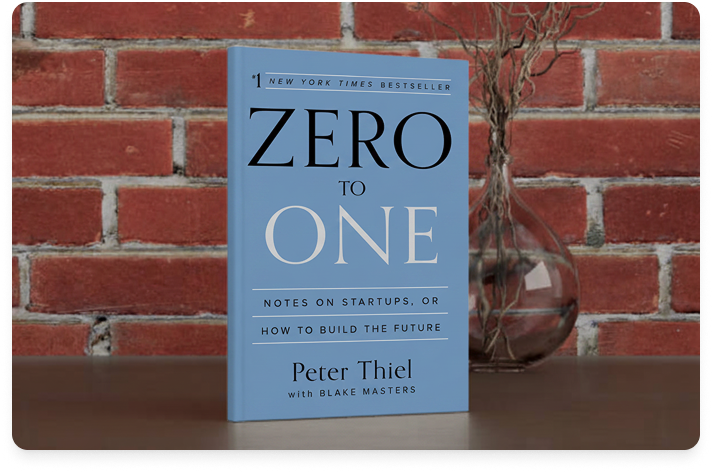 Escape the Trap of Competition
Read the summary
 Scale the Right Way
Read the guide
 Start the Right Way
Read the guide
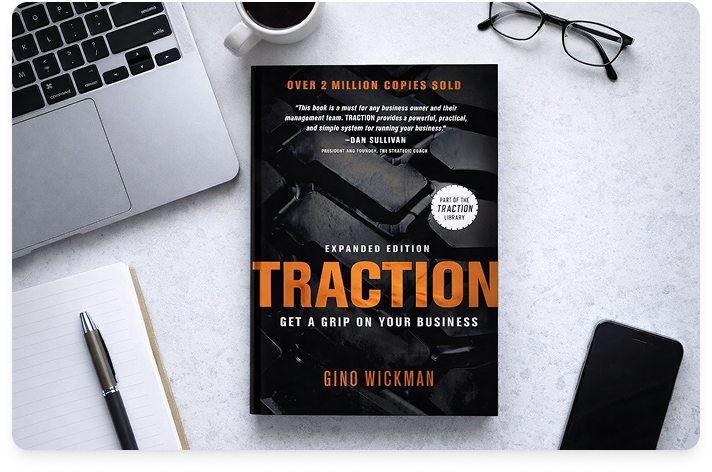 An Operational Blueprint for Scale
Read the summary
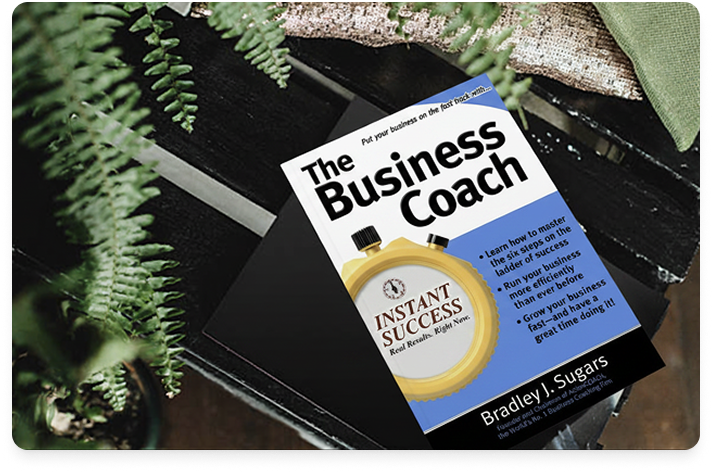 Build a Business, Not a Job
Read the summary
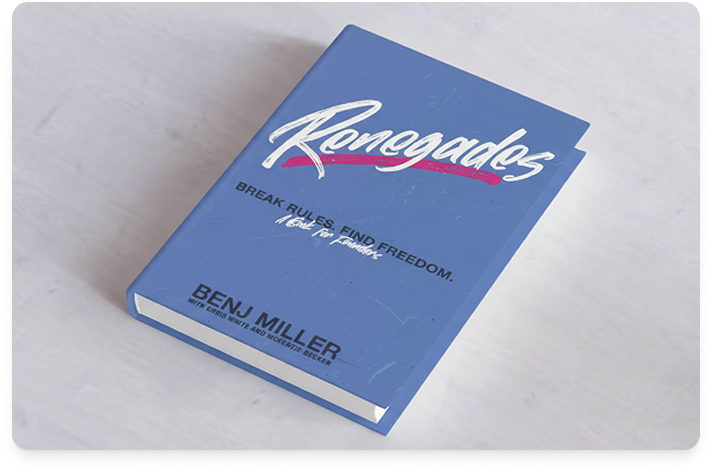 Scale Without Losing Your Soul
Read the summary
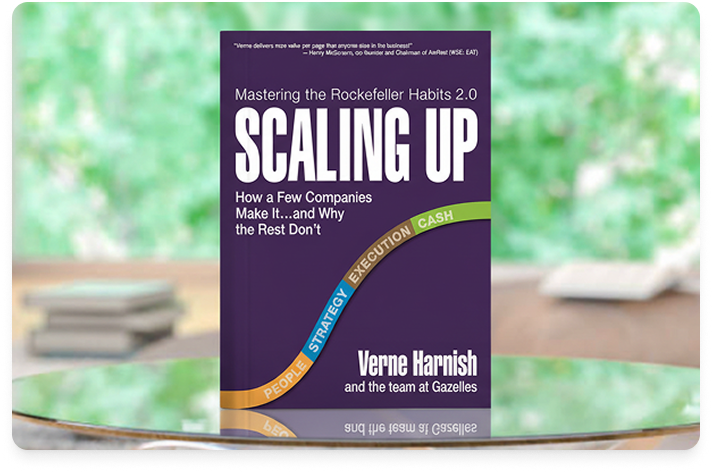 Creating Scalable Operations
Read the summary
 Become an Indispensable Network for Users
Read the summary
Escape the Trap of Competition
Read the summary
 Inspire People to Follow You
Read the summary
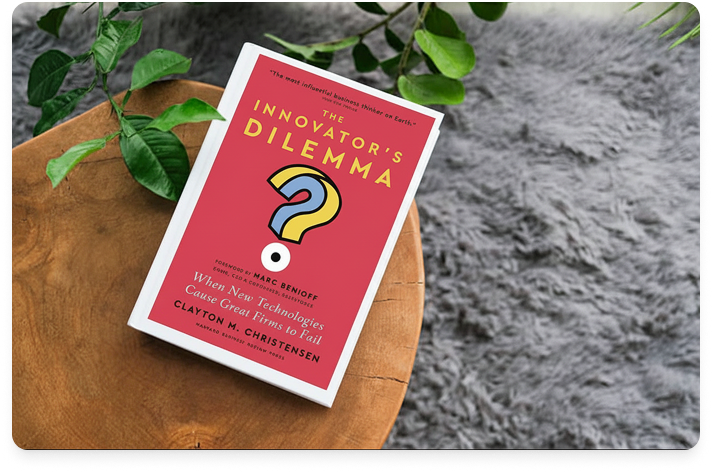 How to Beat Industry Giants
Read the summary
 Stop Stalling and Start Selling
Read the summary
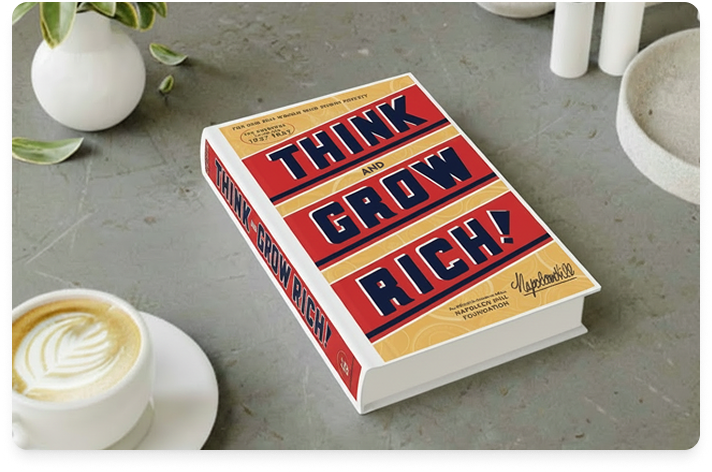 Clear Targets Are Your Advantage
Read the summary
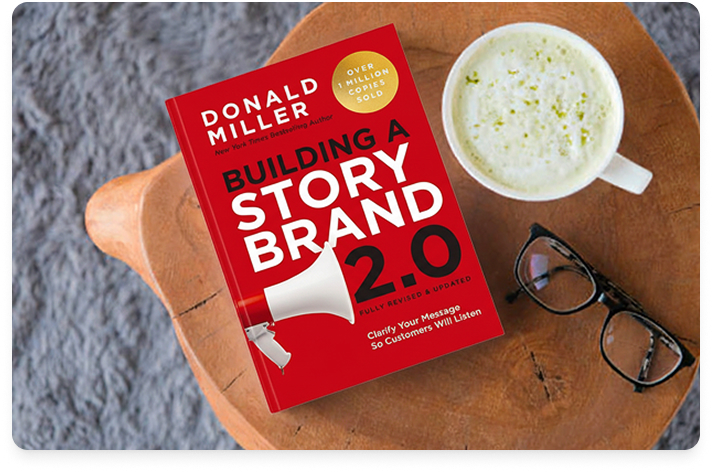 Engage Customers with Story
Read the summary
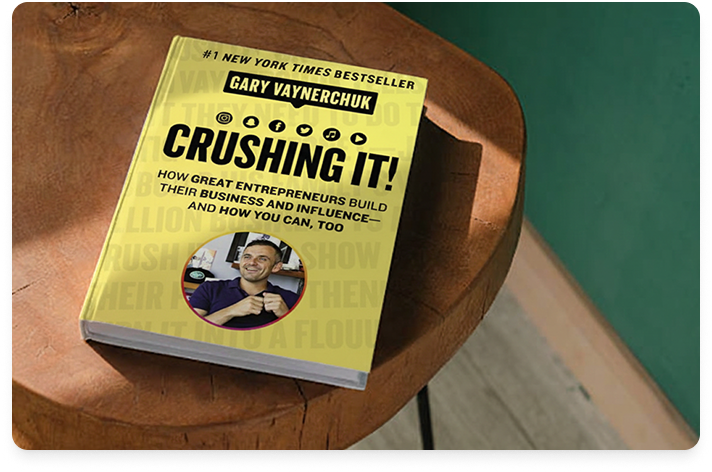 Create a Personal Entrepreneurial Brand
Read the summary
 Focus on What Matters
Read the summary
 Begin With Day One
Read the summary
 Start Before You’re Ready
Read the summary
 Stop Pitching, Start Listening
Read the summary
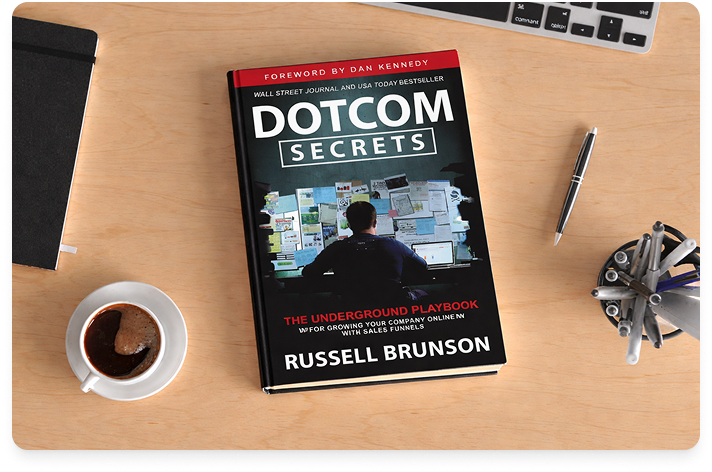 Engineer Your Sales Funnel
Read the summary
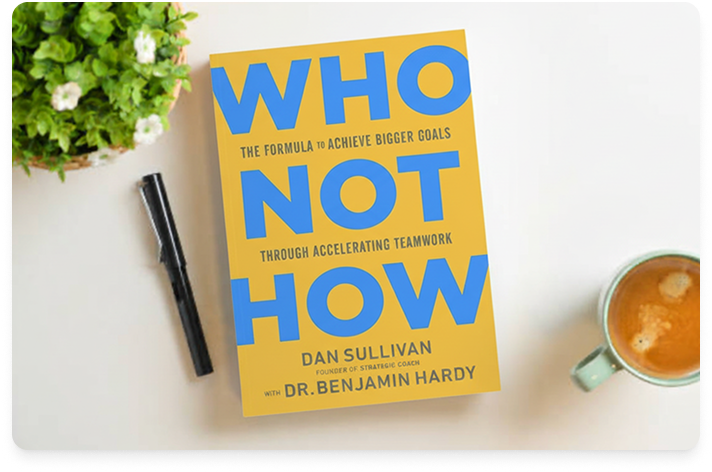 Find Your Problem-Solving “Whos”
Read the summary
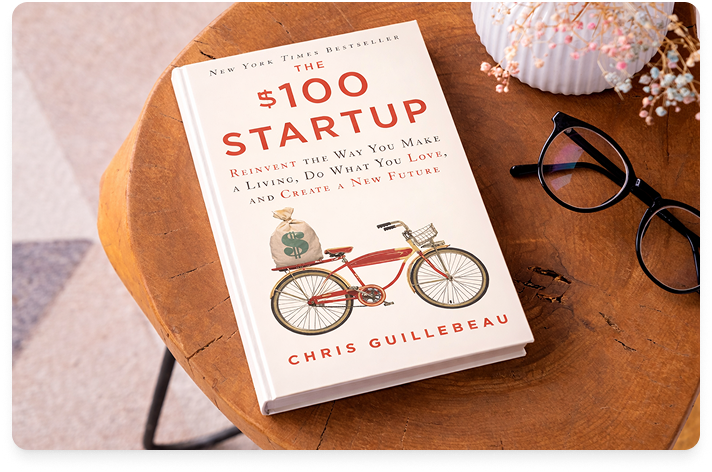 Action Beats Endless Planning
Read the summary
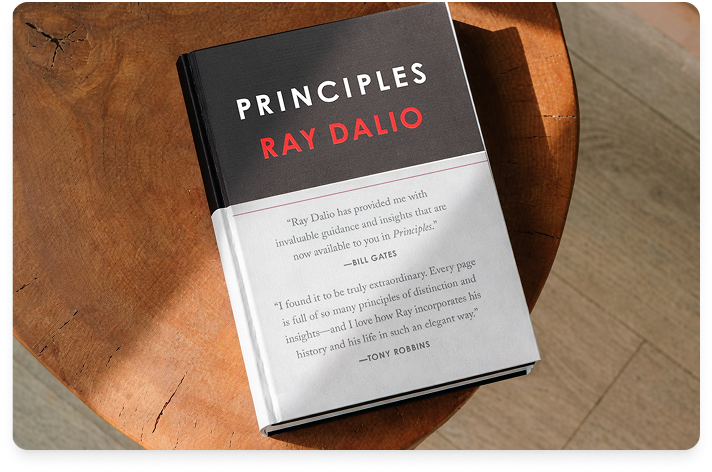 The Idea Meritocracy
Read the summary
 The $100M Roadmap
Read the summary
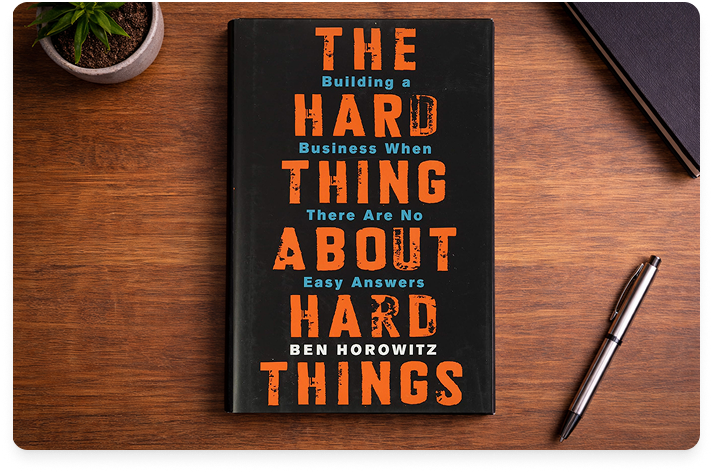 The Entrepreneur’s Greatness Test
Read the summary
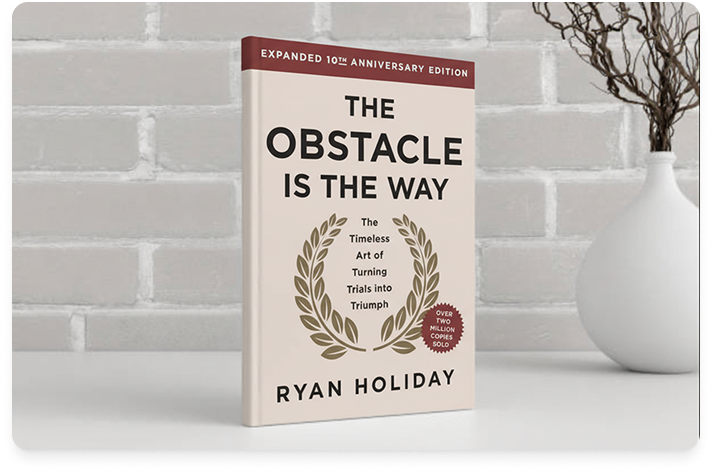 Overcome Adversity with Action
Read the summary
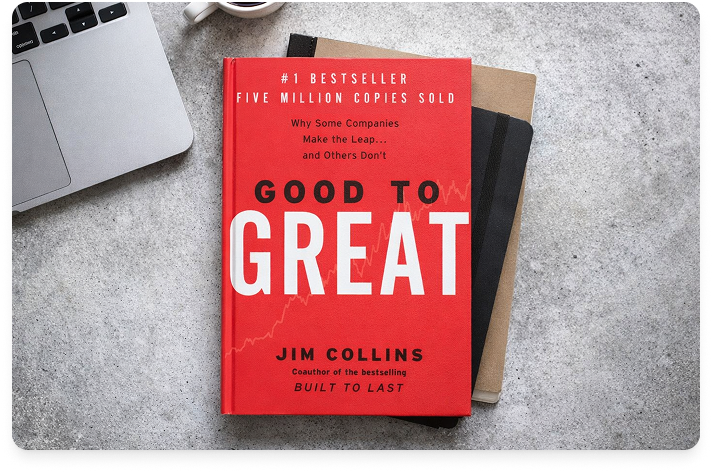 From Buildup to Breakthrough
Read the summary
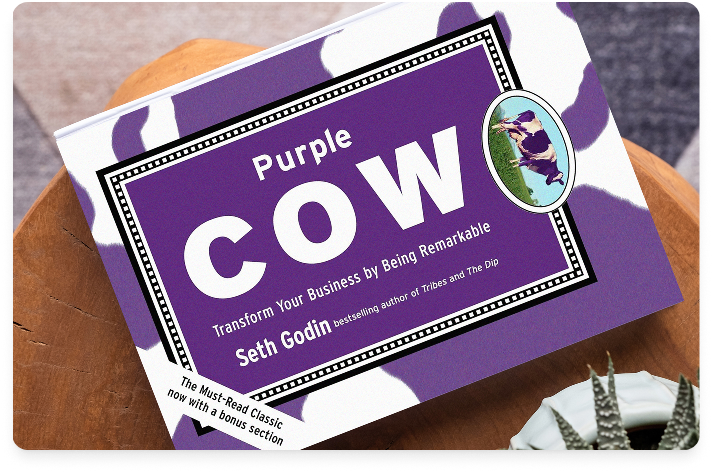 Be Remarkable or Invisible
Read the summary
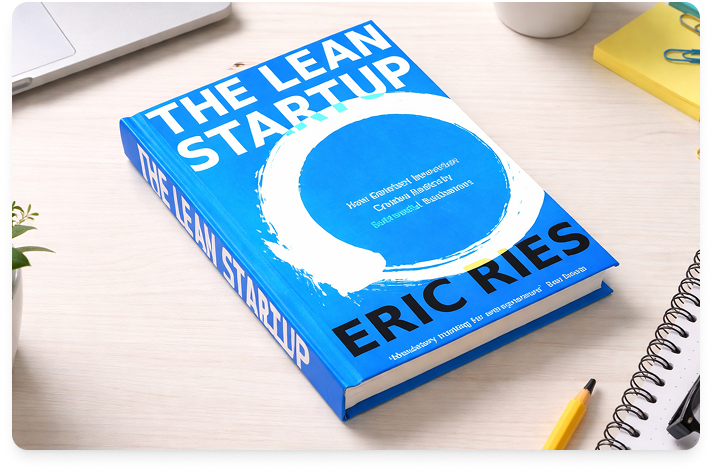 Test, Learn, and Pivot
Read the summary
How to Secure Initial Business Funding a 6 Step Guide
Read
 How to Choose a Payment Platform for Your Business
Read
APNTMNTS ONLY: From Idea to Business Launch
Read
 The Small Business Guide to Mastering Financial Reports
Read
 Are Your Program Graduates Actually Ready for Funding?
Read
 Why Business Owners Launch Before They Feel Ready
Read
 Peter Drucker and the Discipline of Effective Leadership
Read
 The Innovator’s Dilemma and How Small Businesses Win
Read
 Why Business Systems Matter More Than Hustle
Read
 Jim Collins’ Flywheel Effect Defines Great Businesses
Read
 Recurring Invoices: A Better Way To Get Paid
Read
 Build Your Business Ecosystem From Day One
Read
 Start, Build, Grow, Scale: A Smarter Way to Move Your Business Forward
Read
 Val Martin Used Business Services To Start His Business
Read
 7 Business Entity Registration Basics to Understand
Read
 Why Entrepreneur Support Must Shift to Ecosystems
Read
 Customer Support for Those Moments When Accounting Software Feels Confusing
Read
 Stop Guessing What Your Business Needs Next
Read
 Small Business Desktop Accounting Software That Helps You Stay on Top of Cash Flow
Read
 Why Powerful Partnerships Beat Product Walls for Small Business Owners
Read
 The Heart Behind FINSYNC and How We Help Entrepreneurs
Read
 How Andi Mendoza Built Legacy Markets And Helps Others
Read
 Women’s Entrepreneurship Day Celebrating Businesses
Read
 How Revenue-Based Financing Helps Small Businesses Grow Without Debt
Read
 7 Small Business Accounting Tips That Improve Cash Flow and Attract Lenders
Read
 How Top Accounting Software Can Help You Attract Investors
Read
 How FINSYNC CO.STARTERS Helped Jena Stearns Grow
Read
 Business Finances Made Simple for Entrepreneurs Who Scale
Read
 Lead Generation In 5 Steps for Busy Entrepreneurs
Read
 From CO.STARTERS to Calico Charlie’s: FINSYNC’s Role in Reviving a Sweet Local Dream
Read
 Angel Investors vs Venture Capital: How to Choose the Right Funding Path for Your Startup
Read
 Understanding Small Business Loan Requirements
Read
 Tami Levin Turned Business Coaching into a Lifeline
Read
 How to Find the Top Angel Investors for Your Startup
Read
 Thrive Community Partners: Empowering Entrepreneurs One Community at a Time
Read
 How AI Is Quietly Reshaping the Way Startups Grow
Read
 Is Alternative Business Funding Right for Your Small Business?
Read
 The Flourishing Agency: Kimberlee Richards’ Journey from Challenge to Community Impact
Read
 The 10 Mistakes to Avoid When Raising Capital
Read
 Guide to Community Development Financial Institutions
Read
 A Guide to Business Investment Options for Small Business Owners
Read
 Measuring the Real Impact of Your Content Marketing
Read
 How to Raise Money for a Business Without Giving up Equity
Read
 5 Common P&L Mistakes That Are Hurting Your Business
Read
 From Paperwork Pileups to Peace of Mind: Shan Found a Better Brew for Her Business
Read
 Georgia and WaFd Bank Help Tribal Business Owners Get Started
Read
 Nick Beyer’s Cleaning Business Grew with the Right Support
Read
 A Strong Business Plan Increases Getting Funded
Read
 Rebuilding Appalachia from Within With Local Entrepreneurs
Read
 How to Write a Business Plan for SBA Loan Approval
Read
 Mackenzie Brown Found Her Business Breakthrough with FINSYNC’s CO.STARTERS
Read
 FINSYNC, WaFd and IDRS Are Helping Native Entrepreneurs
Read
 How to Get an SBA Loan A Complete Guide for Businesses
Read
 How Entrepreneurs Navigate Business Loan Options with AI
Read
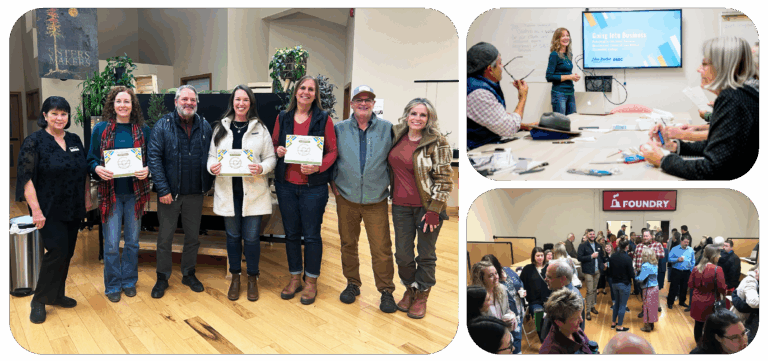 A Rural Reinvention in Oregon Through Partnership and Purpose
Read
 Success Stories from Great Bend Economic Development
Read
 Fueling Growth: How FINSYNC Helps Businesses Scale Smarter, Not Harder
Read
 How One Excavator Took Control of His Business Finances with FINSYNC
Read
 How AI and Automation are Transforming Human Resources
Read
 3 Steps to Increase Your Profit Margin on a Project
Read
 Applying the Customer Lifetime Value Formula to Boost Profits
Read
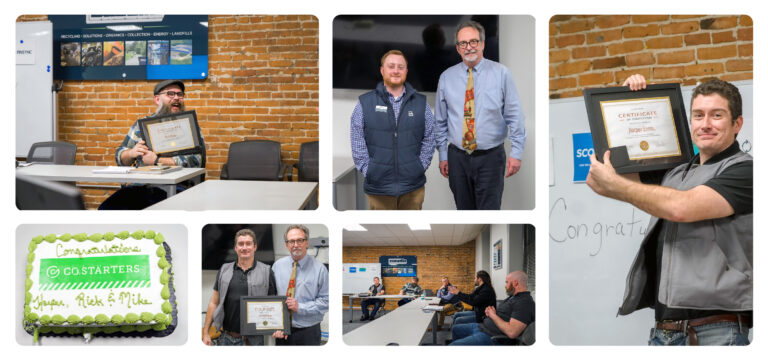 Building a Stronger Entrepreneurial Community: Bill Lucci’s Success with FINSYNC CO.STARTERS
Read
 What Should Your Marketing Agency’s Gross Profit Goal Be?
Read
 From Happiness Coaching to Global Impact: Alisha Kowalski’s Journey with FINSYNC and CO.STARTERS
Read
 How FINSYNC’s AI Assistant, Fynn, Helped Shakhan Kelly Shape Her Dream Business
Read
 Turning a Family Tradition into a Business Dream
Read
 7 Email Marketing Strategies to Convert Subscribers into Sales
Read
 Spotlight Interview: Ali Megan Wagner With Pottinger Realty
Read
 6 Ways to Analyze and Leverage Competitor Pricing
Read
 The Significance of Monthly Recurring Revenue (MRR) in Your Business
Read
 Dan Mitchell Shares His Passion for Empowering Entrepreneurs
Watch
 The Art of Data Forecasting: A Guide to Predictive Analysis
Read
 6 Simple Steps to Calculate the Total Assets of Your Business
Read
 Unlocking Sales Success with Customer Incentives
Read
 How A/B Testing Can Help You Grow Your Business
Read
 How a Cost Structure Can Help Your Business
Read
 5 Budgeting Essentials Every Business Owner Should Know
Read
 10 Ways a Business Line of Credit Can Solve Your Cash Flow Problems
Read
 FINSYNC Spotlight Interview with Athena Behavioral Treatment
Read
 6 Core Business Processes Every Small Business Owner Should Know
Read
 How Amanda Olson is Bringing Ultrasound Technology to the Comfort of Women’s Homes
Read
 Improve Your Profitability with Financial Planning and Analysis Software
Read
 How to Calculate Your Company’s ROA and Interpret Its Results
Read
 How Economic Developers are Cultivating Local Talent in North Dakota
Read
 The Debt to Equity Ratio Explained: What It Means for Entrepreneurs
Read
 Creating a Culture of Connection in Rochester, Minnesota
Read
 8 Ways to Enhance Customer Engagement Through Marketing Newsletters
Read
 Matt Nola’s Unique Business Journey with Woodsmans’s Tree Service
Read
 How Startup Sioux Falls Leveraged a $1 Million Grant to Expand their Reach
Read
 Wheeling, West Virginia Made their Main Street Relevant with Entrepreneurship
Read
 The Key to Chattanooga’s Renaissance is Small Business Development
Read
 How a Chamber of Commerce Is Fostering Innovation in Ohio
Read
 How a Vermont Coworking Space is Building Community for Rural Entrepreneurs
Read
 How New Mexico is Changing the Game for Rural Entrepreneurs
Read
 How Corner to Corner Reaches 200+ New Entrepreneurs Every Year
Read
 Ernestina Flores from Home Baker to Business Owner of Flores Bakehaus
Read
 SteeleDivine Cosmetics: Angie Parham’s Bold Leap from Salon to Beauty Brand
Read
 Lil Cub Den Emerges as a Beacon of Joy in Blount County
Read
 The Mack Master Professional Organizing: Decluttering with Compassion
Read
 Kelsey Vasileff Nourishes Chattanooga with Southern Squeeze’s Healthy Delights
Read
 From Small Town Roots to Creative Heights at Steep Creek Studio
Read
 Dionna’s Recipe for Inclusivity and Coffee at Java’s Enchanted Bean
Read
 Amber’s Vision Brings a Colorful World to Life at Adventure Art
Read
 Celebrating Black Entrepreneurship in the CO.STARTERS Community
Read
 Crafting Stories That Resonate: The Drive Behind Wilson PR
Read
 Creekside Flower Farm Cultivates Natural Beauty With Their Enchanting Blossoms
Read
 Jay Pitts Leads ClinCept in Transforming Clinical Research Inclusivity
Read
 Fueled by Passion, Little Tykes University Emerges as a Childcare Transformation
Read
 Reviving Community Spirit Through Design with Crimson Fox Design
Read
 Boscaljon Design Co’s Journey from DIY to Business Dream
Read
 URZ Professional: A Sanctuary for Beauty and Empowerment
Read
 Bringing Artisan Dolls to Life at Jayla’s Heirlooms
Read
 Sanaa’s Gourmet Mediterranean: A Flavorful Voyage from the Middle East to the Midwest
Read
 Dan Cox’s Journey to Launch Consulting with Cox Telecom in Southern West Virginia
Read
 Shayla Sadler’s Approach to Inner Happiness with Empowered for Purpose
Read
 MEMFOLK’s Mission to Cultivate Joy and Community in Memphis
Read
 The Artistic and Entrepreneurial Awakening of Miriam Norris Omura Art
Read
 Bringing Parisian Flair to Fine Dining and Community with Sarah’s on Main
Read
 Community Care Is at the Core of The Red Pincushion’s Mission
Read
 Merging Fashion and Function in Face Masks: These Starters Have You Covered
Read
 Black Dreams Matter: Pioneering Change in the Business World
Read
 From Nashville to Homes Everywhere: DrawnLovely’s Impactful Artistry
Read
 Empowering Lives One Shoe at a Time at Reunion Shoe Co
Read
 Will Lovelady’s Stix N Smoke: Blending Tradition with Innovation in Cigar Lounges
Read
 Fostering Self-Knowledge with She Got the Nerve’s Life Coaching
Read
 Crafting Wellness: The Story Behind Gifted Hands Artisan Soap
Read
 Turning Challenges into Opportunities with The Academic Consulting Agency
Read
 Felicia Jackson’s CPR Wrap Brings Heartfelt Innovation to Life-Saving Techniques
Read
 Rapping with Purpose: How H.i.L.i.F. is Changing Children’s Education
Read
 Ensuring Peace of Mind with Mobile Mommy’s Curated Childcare
Read
 No More Hauling Dorm Stuff with Summer Pack-It’s Moving Services
Read
 FINSYNC + Fulton Bank: A Win-Win for Small Businesses
Watch
 Meet Our CEO, Tucker Mathis, and Hear Our Story
Watch
 How Bankers Strengthen Relationships with Customers and Prospects
Watch
 Caked Las Vegas Accelerates Growth by Connecting with Their Banker
Watch
Nothing matches yet.
Try a different word or topic, or clear your filters to see everything here.
Put It Into Practice
From business formation to your first customer and beyond, we connect you with the tools, guidance, and partners to build with confidence.
Start My BusinessExplore Funding Navigator to discover financing options that fit your goals, understand your eligibility, and connect with the right funding partners.
Explore Funding NavigatorExplore proven business frameworks and practical systems that help you build a stronger foundation, improve execution, and scale with confidence.
Explore Frameworks & SystemsSix Questions Every Founder Should Answer Before Starting a Business
Every year millions of people consider starting a business. Some are driven by the excitement of entrepreneurship. Others see a problem they believe they can solve. Some simply want more independence or control over their future.
Starting a business can be one of the most meaningful journeys a person ever undertakes. It can also be one of the most difficult.
Startup success is never guaranteed. Even great founders with great ideas often struggle. Markets change, competition evolves, and the path forward rarely unfolds exactly as planned.
But while success is never certain, the odds improve dramatically when founders begin with the right questions.

At StartToScale, we believe entrepreneurship begins not with a business plan, but with clarity.
The most successful companies rarely begin with elaborate strategies. They begin with a few fundamental truths that founders understand deeply.
The six questions below help establish that foundation.
If you can answer them honestly and thoughtfully, you dramatically increase the chances that what you start can eventually grow into something meaningful.
Starting a company should never be taken lightly.
The entrepreneurial journey is demanding. It often requires years of focus, resilience, and continuous learning before meaningful success appears.
Author and researcher Malcolm Gladwell popularized the idea that it takes roughly 10,000 hours to develop mastery in a field. While the exact number is debated, the principle is widely accepted: meaningful expertise requires sustained commitment.
If someone dedicates themselves fully to a craft, those hours can accumulate over five or so years of focused work. But those years are rarely easy. They involve experimentation, mistakes, iteration, and persistence.
Founders frequently build companies in areas where they already possess:
When someone has already invested thousands of hours understanding a problem space, they often see opportunities others miss. This doesn't guarantee success, but it significantly reduces one of the greatest startup risks: building something you don't understand well enough to execute.
A strong startup idea is always relative to the team building it. An idea that might fail with one team could succeed with another that understands the problem deeply.
Many great ideas arise organically from experience. But idea generation can also be systematic. Founders often identify opportunities by:

Co-Founder Advantage
Many successful startups begin with co-founders who complement each other's strengths. One founder may understand the product, while another understands the market. One may excel at product design while another drives customer acquisition.
Regardless of the industry, early founders must develop direct contact with customers. In the earliest stages founders should personally handle:
Customer support - Sales conversations - Onboarding - User interviews - Product feedback

No survey or report can replace firsthand conversations with the people you're trying to help. Customer understanding is not optional — it is one of the greatest advantages a founder can possess.
Another important signal that you may be ready to start a company is when you encounter a problem you simply cannot stop thinking about.
An intrapreneur works within an existing organization to develop new products, services, or business units. Many large companies actively seek employees who can think and operate like founders while benefiting from the resources of an established company.
A franchise allows entrepreneurs to operate a proven business model with established branding, systems, and support. While less experimental than a startup, franchising can still provide independence and meaningful business ownership.
Most successful startups begin with a painful problem. Something customers actively want solved. Something they are already trying to solve — even imperfectly.
A meaningful customer problem
A market large enough to matter
A market that is growing
Interestingly, the growth rate of a market is often more important than its current size. A small market growing rapidly can be far more attractive than a large market that has stopped evolving.
One of the most common startup mistakes is building a solution before confirming the problem. This often happens when founders become excited about a new technology and then search for ways to apply it.
But the same mistake appears in many industries. A talented chef may believe the world needs another restaurant. A developer may want to build the next app. A craftsman may want to launch another product line.
Another common mistake is trying to perfect the idea before testing it. In reality, no startup idea is ever perfect at the beginning. The best founders start with small experiments:
Talking to potential customers
Building simple prototypes
Testing willingness to pay
Learning quickly from feedback
You need signals that customers care.
When customers start paying for your solution — and telling others about it — that signal becomes much stronger.
Markets are constantly changing. Technology shifts. Consumer behavior evolves. Distribution channels emerge and disappear. Companies that fail to anticipate these changes often struggle. Understanding where a market is going — not just where it is today — is critical.
Cautionary Examples:
Many great startup ideas initially look small, strange, or even wrong.
Google looked like just another search engine.
Facebook looked like a small college social network.
Airbnb sounded bizarre — strangers sleeping in your house.
These ideas succeeded because they dominated a small initial market before expanding. The best startups often begin by owning a small monopoly — a narrow use case where they are clearly the best — and then expand outward into larger markets. Avoid Superficial Clones
Not every emerging technology creates a lasting market. Some trends become foundational — like smartphones enabling entire ecosystems of applications. Others fade quickly.
Learning to distinguish meaningful platform shifts from short-lived excitement is a critical entrepreneurial skill.
nce you’ve identified a real problem in a meaningful market, the next question becomes practical:
Can you actually build something people love?
Simplicity is powerful. It reduces complexity and allows founders to focus on doing one thing exceptionally well.
Early success rarely comes from building something millions of people like. It comes from building something a small group of people absolutely love.
That intense customer love creates:
The goal is not to build everything at once.
Instead, focus on creating the smallest experience that delivers real value.
Even a small group of enthusiastic customers can create momentum that grows over time.
Depth of enthusiasm matters far more than breadth of mild approval.
In the early stages the entire experience matters:
The product or service itself
Onboarding
Customer support
Communication
How value is explained

Until customers genuinely love what you built, almost nothing else matters.
Founders should obsess over customer journey, time to value, and long-term value delivered to loyal customers.
This applies to every business — software, retail, manufacturing, services, restaurants, and more.
Another critical principle: start with as little capital as possible. The early challenge is finding a way to deliver meaningful value with minimal resources.
This constraint forces creativity and discipline.
If you can get even one customer to love what you offer with limited resources, you've already solved one of the hardest problems in entrepreneurship.
The degree to which a startup succeeds is often strongly correlated with how much customers love the product.
If a product is so good that customers spontaneously tell their friends about it, the startup has already accomplished most of the work required for long-term success.
Once customers love what you're building, the next step becomes equally important:
building the team that will scale it.
In the beginning, founders build the product.
Eventually, founders build the company.
And building the company means building the team.
In the earliest stage, company culture is simply the character of the founder. As new people join, culture becomes the consistency of the people you recruit.
This makes hiring one of the most important responsibilities a founder has.
Exceptional companies are built by exceptional teams. Founders should prioritize recruiting people who are:
Talented and capable
Mission-driven
Optimistic and resilient
Eager to take ownership
Many startups offer equity because they want team members who think like owners and share in the long-term success of the company.
Clear missions improve:

Ambitious visions often attract talented people who want to work on meaningful problems.
Early startups should avoid vanity metrics and focus on indicators that reflect real value:
Active customers
Engagement
Retention
Revenue per customer
Referrals
Net promoter score
"Without continual growth and progress, words such as improvement, achievement, and success have no meaning."
— Benjamin Franklin
Great teams constantly look for ways to improve — even if many ideas initially fail.
Momentum matters. Learning quickly matters. Adaptation matters.
Competition is not necessarily a bad thing.
In fact, competition often indicates a healthy market. A complete absence of competitors may simply mean there is no real demand.
What matters is how your company competes. New startups succeed by bringing something meaningfully better:
A superior product
A dramatically better experience
Better timing
Better technology
A more effective business model
A great product must still reach customers. Successful startups develop effective ways to acquire and retain customers through:
Over time, successful companies develop competitive advantages that are difficult to replicate. These can include:
Network effects
Proprietary technology
Scale advantages
Brand strength
Unique partnerships
Operational expertise
Finally, even the best product and team must confront the ultimate reality of business.
For a business to endure, it must eventually become profitable. This doesn't mean profits must appear immediately. Many companies invest heavily in growth early on.
But founders should always have a credible path to profitability.
Your earliest goal is to create a minimum valuable product that solves a real problem well enough that customers pay for it. That initial revenue validates demand and provides the foundation for future, profitable growth.
Founders must eventually understand the basic economics of their business:
When the lifetime value of customers significantly exceeds the cost to serve them, the business has the potential to scale sustainably.
Growth should be intentional and disciplined. As companies grow they must carefully manage:
Capital investment
Hiring
Infrastructure
Customer acquisition costs
No business begins fully optimized. Successful founders continuously improve their product, operations, and strategy as they learn more about customers and markets.
Starting a company can be stressful, demanding, and far less glamorous than it appears from the outside.
The best reason to start a business is not status, control, or money.
The best founders often describe a moment when they realized they simply could not ignore the opportunity in front of them. They couldn't not do it.
That level of conviction matters. It sustains founders through the inevitable difficulties of building something new. It attracts talented teammates who believe in the mission. And it creates the persistence required to turn early experiments into lasting companies.
Entrepreneurship may start with an idea, but it rarely succeeds in isolation.
Through StartToScale and the broader ecosystem surrounding it, entrepreneurs can connect with people and organizations that specialize in helping new businesses succeed.
This includes:
Many community organizations offer structured programs where entrepreneurs can:
These resources exist to help founders move from idea to execution with greater clarity and confidence.
And when you're ready, StartToScale will help connect you with the people, insights, and resources that can help turn your idea into a thriving business.
Six Questions Every Founder Must Answer to Scale a Company That Lasts
Starting a company is an act of creativity and action.
Scaling a company is an act of discipline and leadership.
Many businesses successfully reach their first customers. Some generate early traction and begin to see the possibility of something larger. But moving from a promising startup to a durable company requires a different level of thinking.
Growth introduces complexity:

What worked with five employees may break with twenty.
What worked with twenty may struggle with one hundred.
Scaling is rarely about simply doing more of the same. It requires structure, clarity, and consistent execution.
If you've read the Start guide, you'll notice something important.
The earliest stages of building a company revolve around three fundamental questions:
Are the founders uniquely suited to pursue this problem?
Is there a real problem in a meaningful and growing market?
Can the team build something customers genuinely love?
Those questions determine whether a company should exist at all.
But once those foundations begin to take hold — once customers appear, traction begins to build, and the idea starts turning into a real business — the nature of the challenge changes.
The focus gradually shifts from founder and product to organization and execution.
This transition introduces a new set of priorities:
Building leadership teams
Installing operational systems
Strengthening financial discipline
Developing repeatable growth engines
Creating defensible advantages
The early questions determine whether a company can start.
The next set determines whether it can endure and scale.
The six questions below focus on that next stage of the journey.
As companies grow, clarity becomes increasingly important.
In the earliest stage, the founder's vision may exist mostly in their own mind. But as the team expands, success depends on whether everyone understands where the company is going and why.
Scaling companies create shared clarity around:
Without this alignment, teams drift. Different departments pursue competing priorities, and execution becomes fragmented.
Great leaders continuously communicate the company's direction and reinforce alignment across the organization.
Vision provides direction
Alignment creates momentum
Early-stage companies often operate informally. Founders solve problems quickly, decisions are made in the moment, and communication happens organically.
But as companies grow, this approach becomes difficult to sustain.

Scaling organizations develop repeatable systems that guide how the company operates.
These systems help define:
How goals are set and tracked
How decisions are made
How teams communicate
How performance is measured
How problems are addressed
Many successful companies eventually adopt proven operating frameworks that provide structure around leadership, execution, and accountability.
These frameworks help organizations align vision, people, strategy, and financial performance — allowing the company to grow beyond the founder's direct control.
Frameworks don't replace leadership.
They strengthen it.
A company's ability to scale is deeply tied to the quality of its team.
One of the most important transitions founders make is moving from doing everything themselves to building a leadership team capable of driving results.
Scaling organizations prioritize:

Great founders eventually recognize that building the company means building leaders within the company.
The strength of that leadership bench often determines how far the organization can grow. But hiring great people is only part of the equation.
The environment those people operate in — the culture of the company — ultimately determines whether a team performs at a high level or struggles to maintain alignment as the organization grows.
In the early days, company culture is largely a reflection of the founder. As more people join, culture becomes the shared expectations, behaviors, and values that guide how the organization works together.
That culture must be intentional.
Scaling organizations are deliberate about defining:
This ties directly back to the company's vision.
A clear mission attracts people who care deeply about the work being done. When team members believe in the purpose of the organization, they are far more likely to invest their energy, creativity, and commitment into helping it succeed.
Mission creates alignment
Culture creates consistency
Some of the most successful companies in the world are known not just for their products, but for the cultures that power them.
Chick-fil-A
Has built a reputation around service, care for customers, and leadership development — values reinforced consistently across thousands of locations.
Netflix
Became widely known for its culture of high performance, ownership, and transparency — captured in its widely shared culture deck that has influenced leadership thinking across Silicon Valley and beyond.
In both cases, culture is not an abstract idea. It shapes how decisions are made, how teams operate, and how consistently the company delivers on its promises to customers.
When culture is clear and reinforced, it becomes a powerful advantage.
Another important mindset for founders is to think about the growth of the company through the growth of its people.
Not simply the number of employees. But how individuals on the team are growing:
Personally
Professionally
Financially
When people feel that their work is helping them become better leaders, stronger professionals, and more capable contributors, they tend to invest more deeply in the mission of the organization.
A culture where people are consistently learning, improving, and expanding their capabilities creates a powerful effect over time.
When a company reaches the point where its people are advancing in meaningful ways — gaining skills, developing leadership ability, and building financial stability — something special begins to take shape.
The organization becomes more than a workplace. It becomes a place where people build careers, develop confidence, and help each other succeed.

Culture doesn't emerge by accident. It develops through consistent leadership, thoughtful hiring, and clear expectations.
Founders who want to build enduring companies often spend significant time thinking about the kind of organization they want to create.
That might include defining values, documenting operating principles, and being clear about what the company stands for.
For example, within our own organization we've invested heavily in thinking about culture and leadership expectations. We even developed a detailed internal overview describing the kind of culture we aspire to build and be known for. Some founders find it helpful to write these principles down and share them openly with their teams.
Being intentional about culture early helps ensure that as the company grows, the values and behaviors that define it remain consistent.
Because ultimately, great companies are not only built on strong products or good strategies.
They are built on teams of people who believe in the mission, trust one another, and work together in a culture that helps everyone perform at their best.
And over time, culture becomes something even more powerful.
When people understand the mission, trust one another, and share clear expectations for how work gets done, execution becomes more consistent across the organization. Decisions improve, teams collaborate more effectively, and the company moves forward with greater momentum.
Culture creates consistency.
Consistency strengthens execution.
And strong execution is what ultimately allows companies to scale.
Which is why one of the most important jobs of a founder is not just building a product — but building the kind of culture where great people can do their best work together.
Growth can put tremendous strain on a company's finances.
Revenue may increase, but expenses often rise quickly as teams expand, infrastructure grows, and investments are made in customer acquisition and product development.
Scaling companies develop strong financial discipline around:
Cash flow management
Capital allocation
Operational efficiency
Forecasting and planning
Understanding the basic economics of the business becomes critical.
Leaders must understand:
Companies that scale successfully build financial systems that allow leaders to see risks and opportunities early — long before they become crises.

In the early days, growth often comes from experimentation. Founders try different approaches to reaching customers and learning what resonates — and ultimately what customers love enough to tell others about.
Over time, scaling companies discover something incredibly valuable: repeatability.
They begin to understand what consistently drives new customers, stronger engagement, and increasing revenue.
That growth engine might come from:

Once the drivers of growth become clear, companies can begin investing in them deliberately and consistently.
This is where growth begins to resemble what Jim Collins famously described as the Flywheel.
In Good to Great, Collins explains that great companies rarely grow because of a single breakthrough moment. Instead, progress comes from pushing the same strategic wheel again and again — each effort building momentum until growth becomes increasingly powerful and self-reinforcing.
The Flywheel in Motion
At first the flywheel moves slowly.
Each turn of the wheel builds on the previous one.
Over time, the momentum compounds.
When a company understands what truly drives its flywheel — and consistently reinforces those drivers — growth becomes more predictable and sustainable.
Repeatability transforms growth from an experiment into a strategy
Momentum turns small successes into long-term scale
Markets evolve quickly:
The companies that scale successfully are those that learn faster than everyone else.
They maintain tight feedback loops between:

They measure the right signals, adapt quickly, and continuously refine their approach.
But learning quickly requires two important disciplines that great companies hold in balance:
Customer Obsession
Relentlessly focused on understanding needs and improving experience
Competitor Awareness
Staying aware to never be caught flat-footed
The best companies are relentlessly focused on their customers — understanding their needs, improving their experience, and innovating alongside them. They listen carefully, observe behavior closely, and continuously look for ways to deliver more value.
At the same time, strong leaders remain aware of what competitors are doing. Not because they want to copy them, but because they never want to be caught flat-footed.
Customers will naturally compare options. When they do, companies should always be able to answer a simple but important question:
Why choose you?
That answer should never be "me too" as in we do that too.
Great companies understand what makes their offering different and valuable, and they can clearly articulate that to the people they serve.
Of course, no company wins or retains every customer. Markets evolve, needs change, and sometimes another solution may simply be a better fit for a particular situation.
But the best organizations approach those moments with honesty and integrity.
When a company consistently acts in the best interest of its customers — even when it doesn't immediately benefit the business — it builds something far more valuable than a single transaction.
It builds trust.
Trust strengthens relationships
Relationships build great brands
Over time, the companies that scale successfully learn that the most enduring growth comes from valuing the relationship over the transaction.
Because when customers trust you, respect your honesty, and feel that you genuinely care about their success, they often return, recommend you to others, and remain connected long after a single purchase or contract ends.
That is how great brands are built.
And it is how great cultures take shape inside companies as well.
Scaling organizations treat learning, improvement, and customer trust as permanent disciplines.
They never assume they've finished learning — because the moment a company stops learning is the moment it begins falling behind.
Scaling a company is one of the most demanding leadership challenges there is.
As organizations grow, the problems become more complex and the consequences of decisions become larger. What worked when the company was small eventually requires stronger structure, clearer execution, and more experienced leadership.
Many of the world's most successful companies recognize that growth is rarely achieved in isolation.
Leaders often rely on experienced advisors, business coaches, and operational frameworks that help them recognize patterns early, strengthen execution, and build systems that support sustainable growth.
Perspective shortens the learning curve
Pattern recognition helps avoid costly mistakes
Experienced guidance helps move faster with confidence
If you're building something meaningful and preparing for the next stage of growth, you don't have to navigate that journey alone.
Through StartToScale, we can help connect you with experienced coaches, framework implementers, advisors, financial partners, and entrepreneurial communities who specialize in helping companies move from early traction to sustained growth.